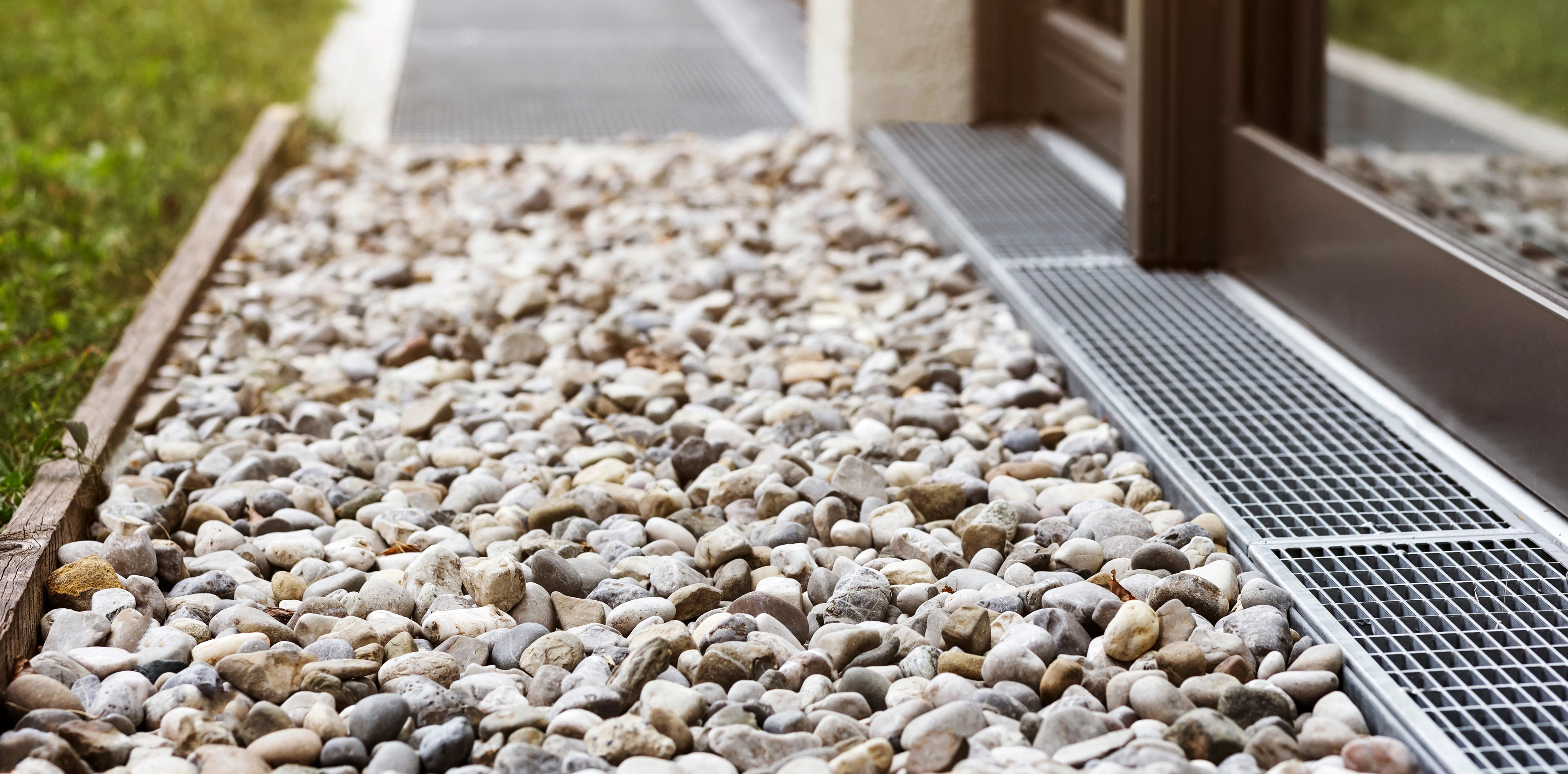
Landscape Drainage Solutions in Kelowna, BC
Central City Landscapes provides drainage solutions for properties dealing with pooling water, runoff, poor grading and challenging slopes. We assess how water moves across your property and combine grading, excavation and drainage systems to address the source of the problem.
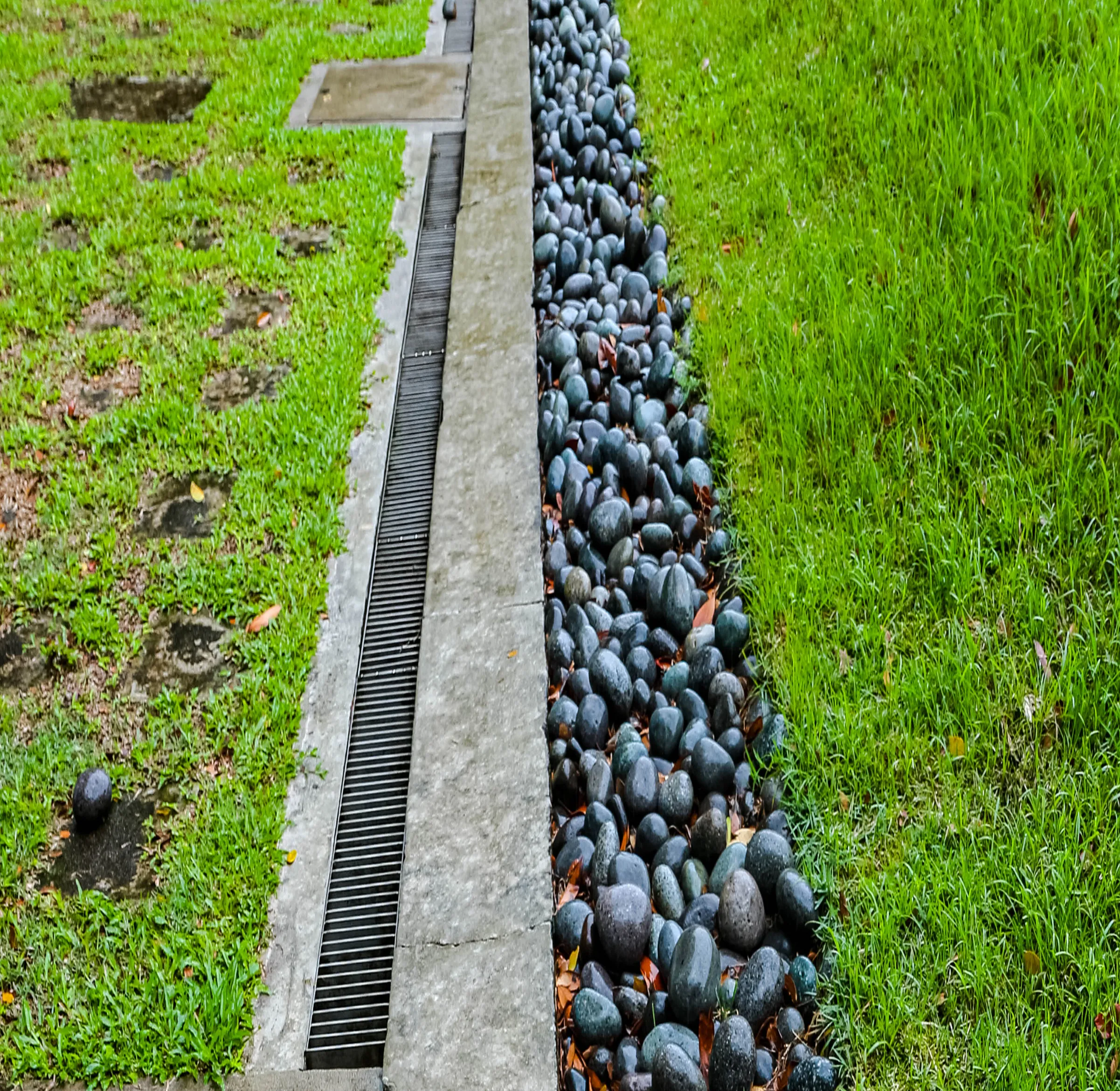
Good Drainage Starts With Understanding Where the Water Goes
Pooling water is often only the symptom. The grade of your property, surrounding slopes, hard surfaces and low areas all influence where water collects and how it moves. We look at the property as a whole before determining the right way to manage it.
Signs Your Property May Have a Drainage Problem
Water collecting where it shouldn't can affect lawns, gardens, hardscaping and how you use your property. Understanding what you're seeing can help identify whether the issue starts with drainage, grading or a combination of both.
Standing or Pooling Water
Water that repeatedly collects in lawns, garden beds or low areas may indicate that the existing grade or drainage isn't moving it away effectively.
Soggy or Saturated Areas
Areas that stay wet long after surrounding ground has dried can indicate that water is collecting below or near the surface instead of draining effectively.
Runoff Across the Property
Water moving downhill from higher areas can travel through lawns, planting beds and finished surfaces before collecting farther down the property.
Water Around Patios and Walkways
Patios, driveways and other hardscape surfaces change how water moves and absorbs into the ground, making proper grading and drainage around them important.
Water Around Retaining Walls
Changes in elevation affect water movement. Drainage should therefore be considered alongside retaining wall construction, particularly where soil is being retained.
Low or Uneven Areas
Low areas can naturally collect runoff from the surrounding property. In some cases, yard grading and resloping may need to be addressed alongside drainage.
The Right Drainage Solution Depends on Your Property
No single drainage system works for every property. The right approach depends on where the water originates, how the property is graded, where it collects and where it can appropriately be directed. Depending on those conditions, the solution may involve grading, surface drainage, below-grade drainage or a combination of approaches.
Kelowna's current lot-grading standards similarly recognize combinations of swales, inlets, piping and grading for directing water and preventing ponding.
French Drains
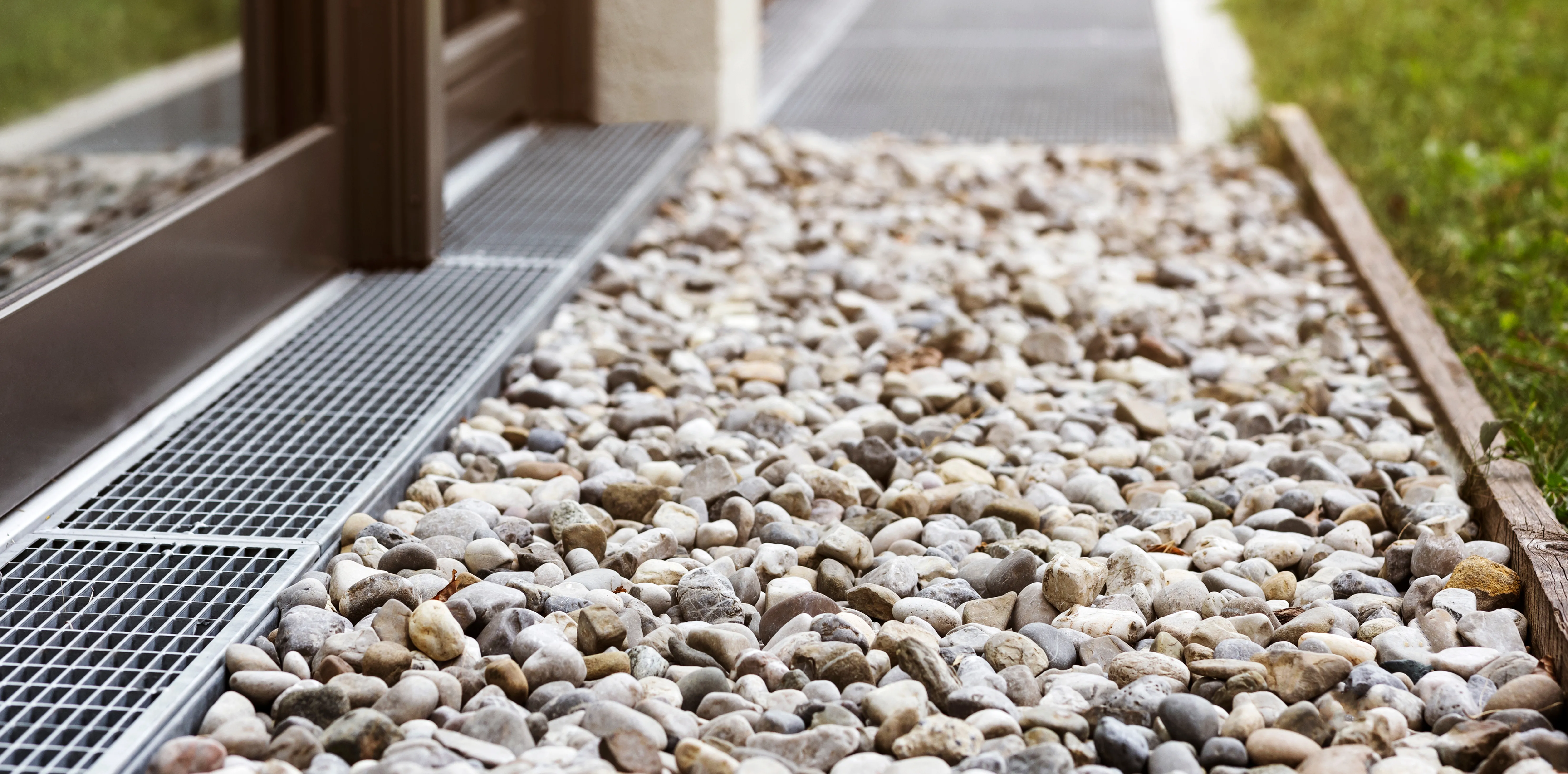
French drains use a gravel-filled trench and perforated pipe to collect subsurface water and redirect it away from problem areas of the property.
Catch Basins & Drain Inlets
Catch basins and drain inlets collect surface runoff at strategic low points before directing the water into an appropriate drainage route. Catch basins are also a core part of Kelowna's municipal stormwater system.
Swales
Swales use carefully shaped grades to create shallow channels that direct surface runoff through the property toward an appropriate drainage area.
Drainage Pipe Installation
Below-grade drainage piping can carry collected water from catch basins, drains and other collection points through the property.
Grading & Resloping
Sometimes the land itself is contributing to the problem. Adjusting elevations and slopes can change how surface water travels and reduce areas where runoff naturally collects. When grade is part of the issue, drainage can be coordinated with excavation and grading rather than addressing the symptoms alone.
Drainage Excavation & Trenching
Drainage systems that run below grade require excavation and trenching at the appropriate locations and elevations before piping and other components can be installed.
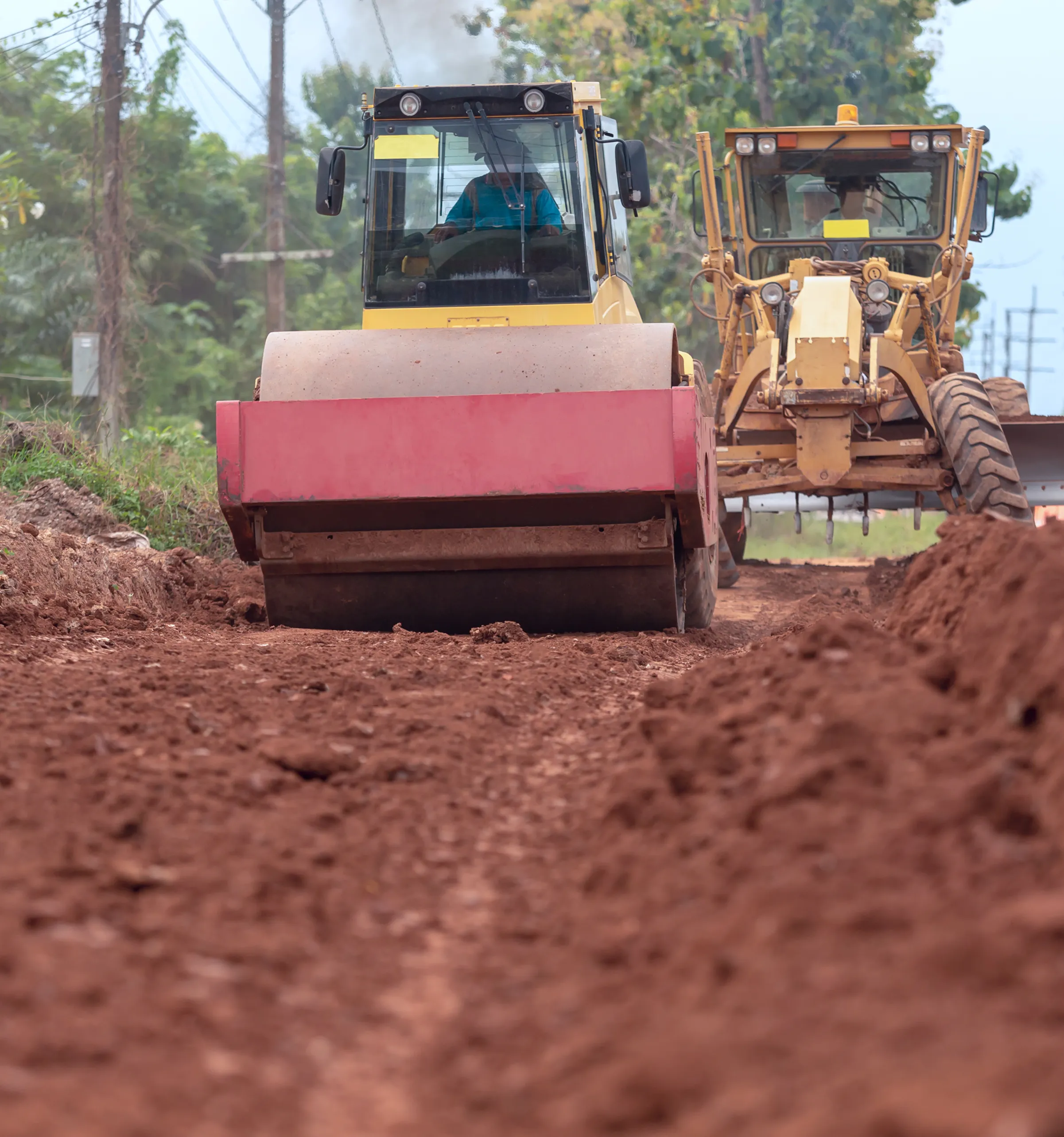
Sometimes the Drainage Problem Starts With the Grade
Water follows elevation. If the shape of your property directs runoff toward a low area, structure or other part of the landscape where it cannot drain effectively, installing a drain alone may not address the underlying issue.
That's why we consider drainage alongside yard grading and resloping. Depending on the property, the right approach may involve changing how the land directs water, installing drainage infrastructure or combining both.
Drainage Should Be Planned Before the Landscape Is Finished
Drainage becomes more complicated once patios are installed, retaining walls are built and the property is fully landscaped. As part of a complete landscape construction project, we can consider water movement alongside grading, hardscaping, retaining walls, irrigation and planting before those elements are finished.
Planning these systems together helps the finished landscape work as one connected property instead of trying to solve drainage problems after construction.
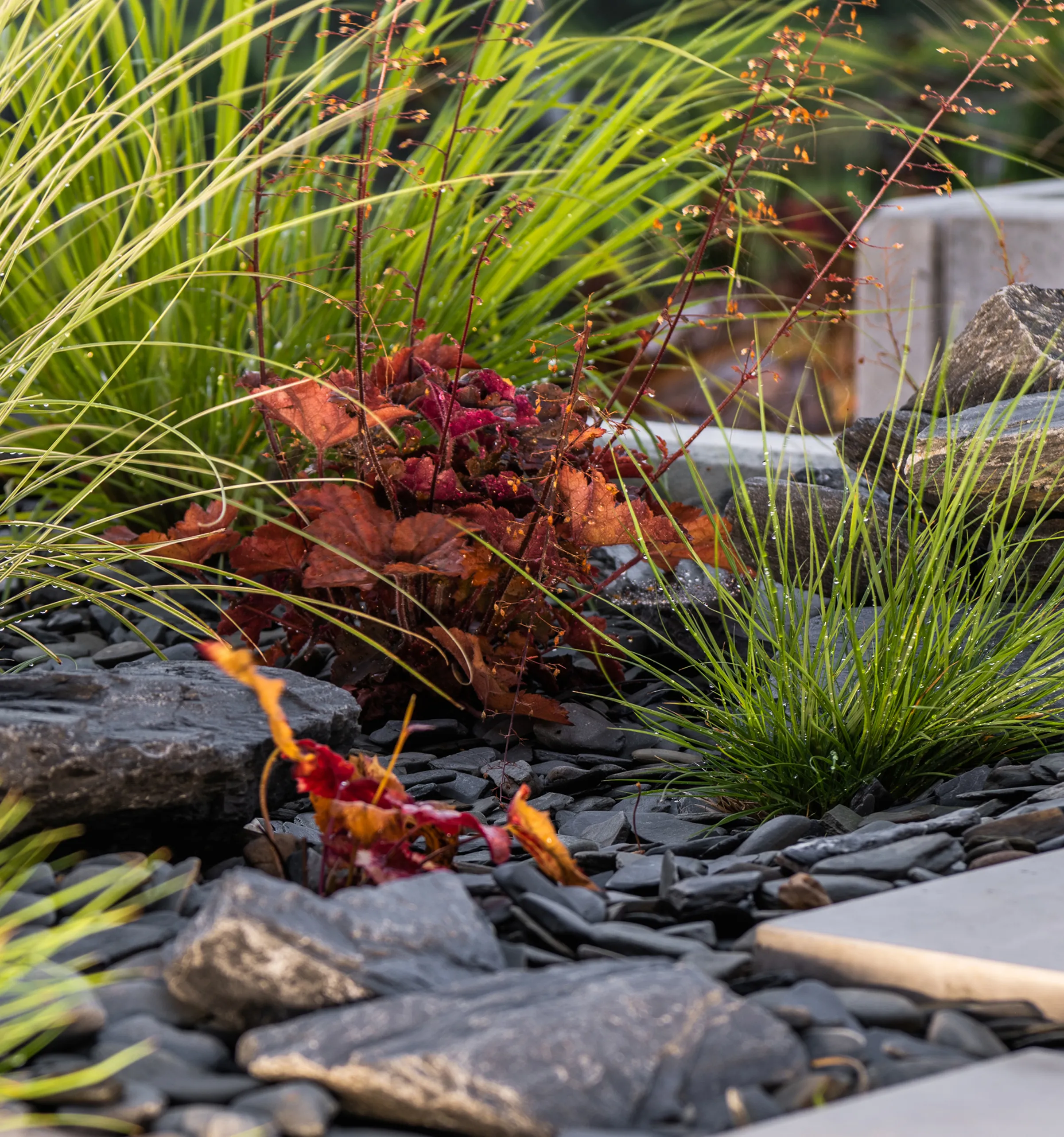
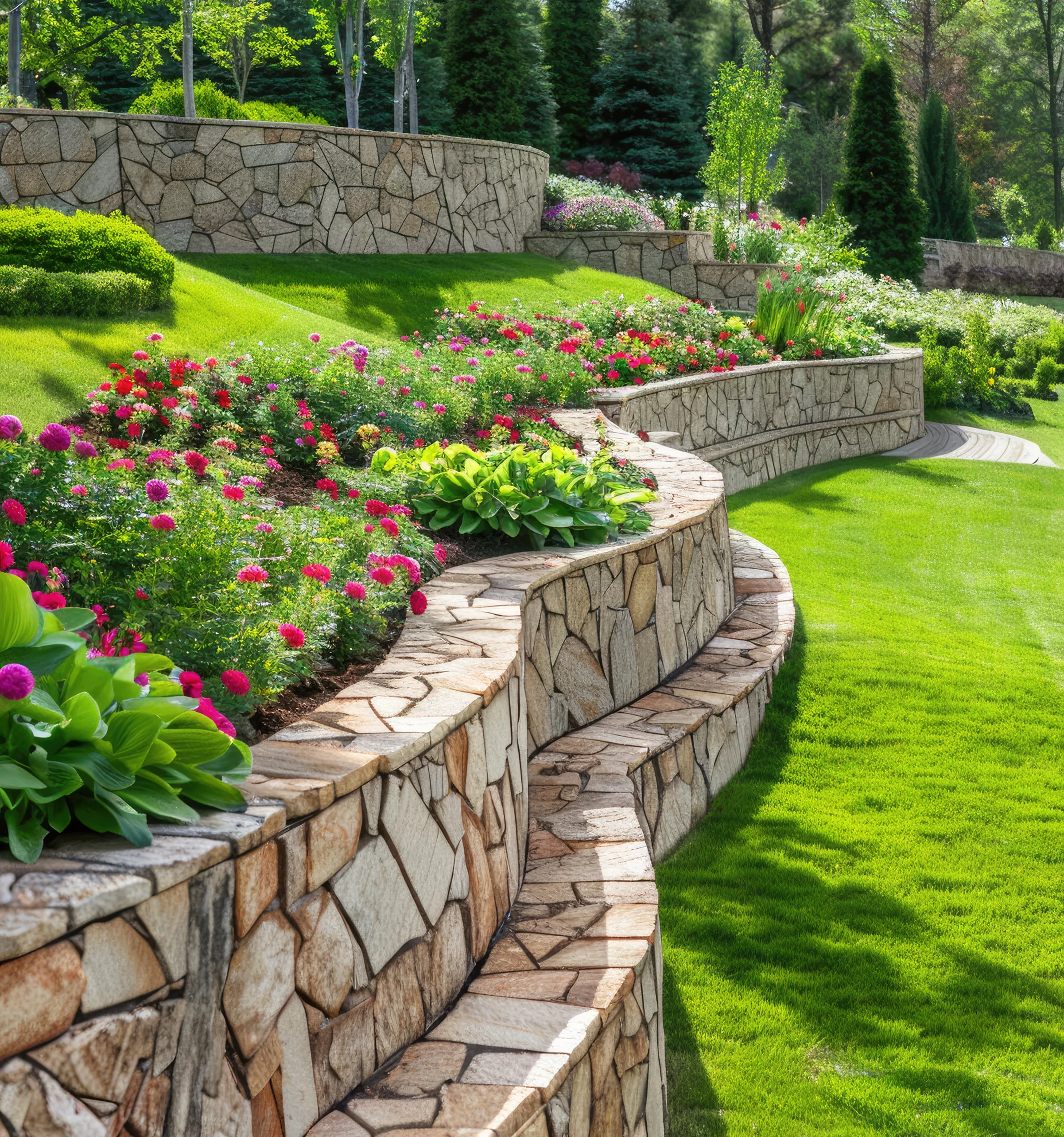
Slopes Change How Water Moves Across Your Property
Water naturally travels from higher areas toward lower elevations, which makes drainage especially important where a property has significant slopes or grade changes.
Retaining walls introduce another consideration because soil and water are being managed around a change in elevation. When these conditions are part of the project, Central City can coordinate retaining walls, excavation and grading and drainage rather than treating each as a separate problem.
This is also genuinely relevant to the Okanagan market: local contractors specifically identify slope runoff as a common drainage issue and use combinations of grading, swales and drains to address it.
Hardscaping Changes the Way Water Moves
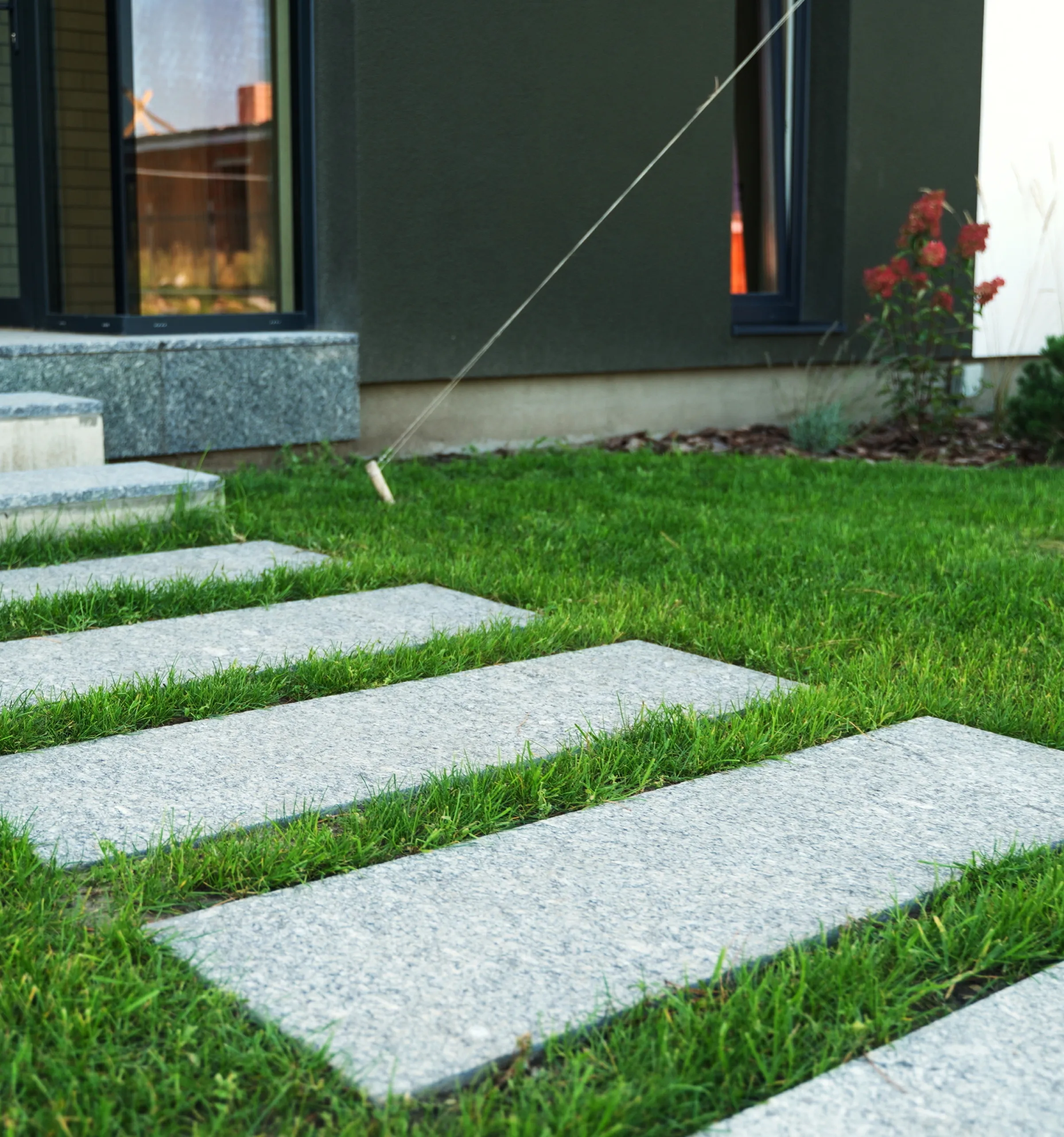
Lawns and planting areas can absorb some water. Patios, walkways and driveways cannot absorb water in the same way, so the elevations and drainage around those surfaces need to be considered before they're built.
When Central City is handling both hardscape construction and drainage, the finished surfaces can be planned around where water needs to travel rather than adding drainage after the fact.
Drainage Solutions for Homes and Commercial Properties
Landscape Drainage Across the Okanagan
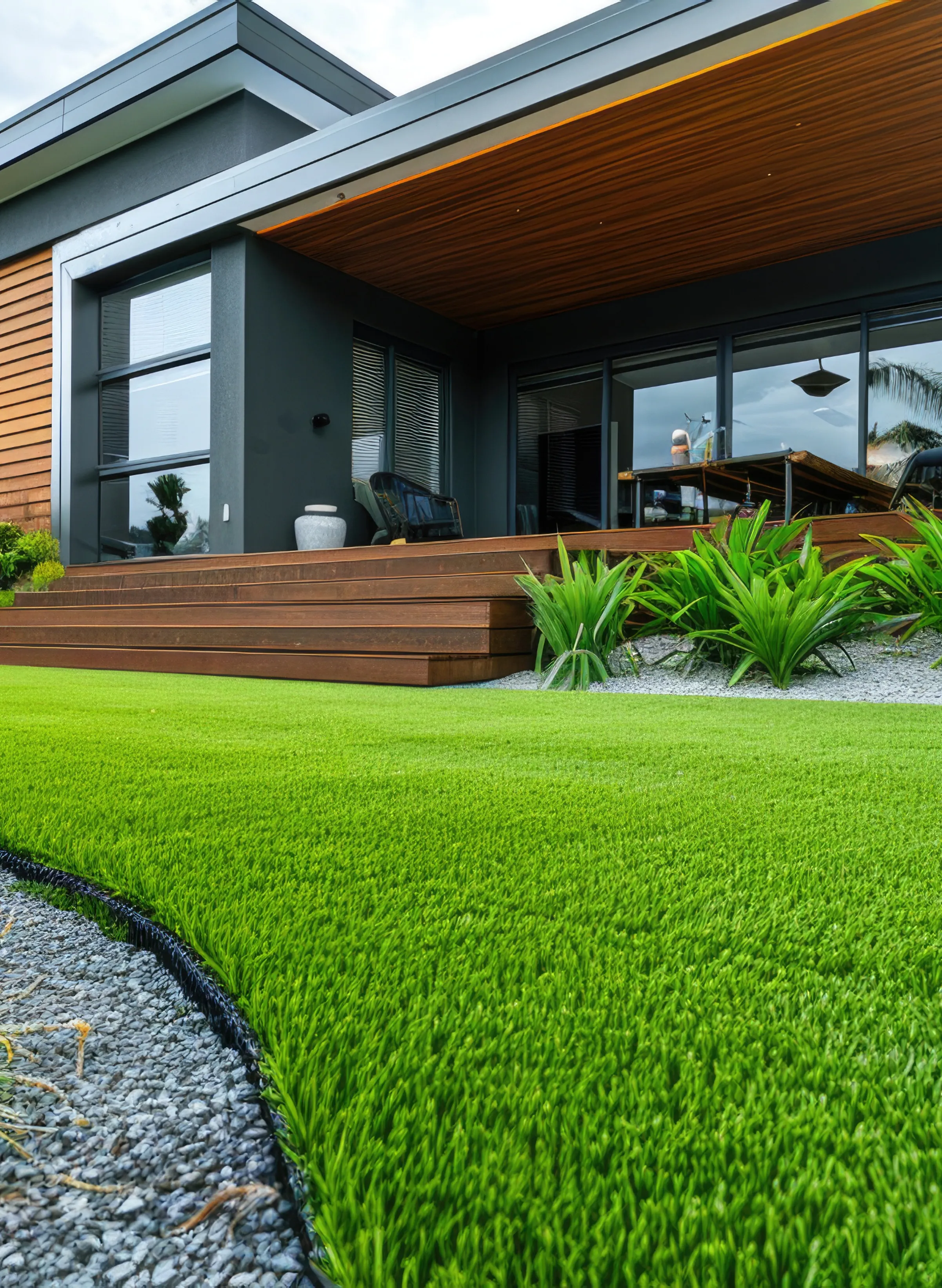
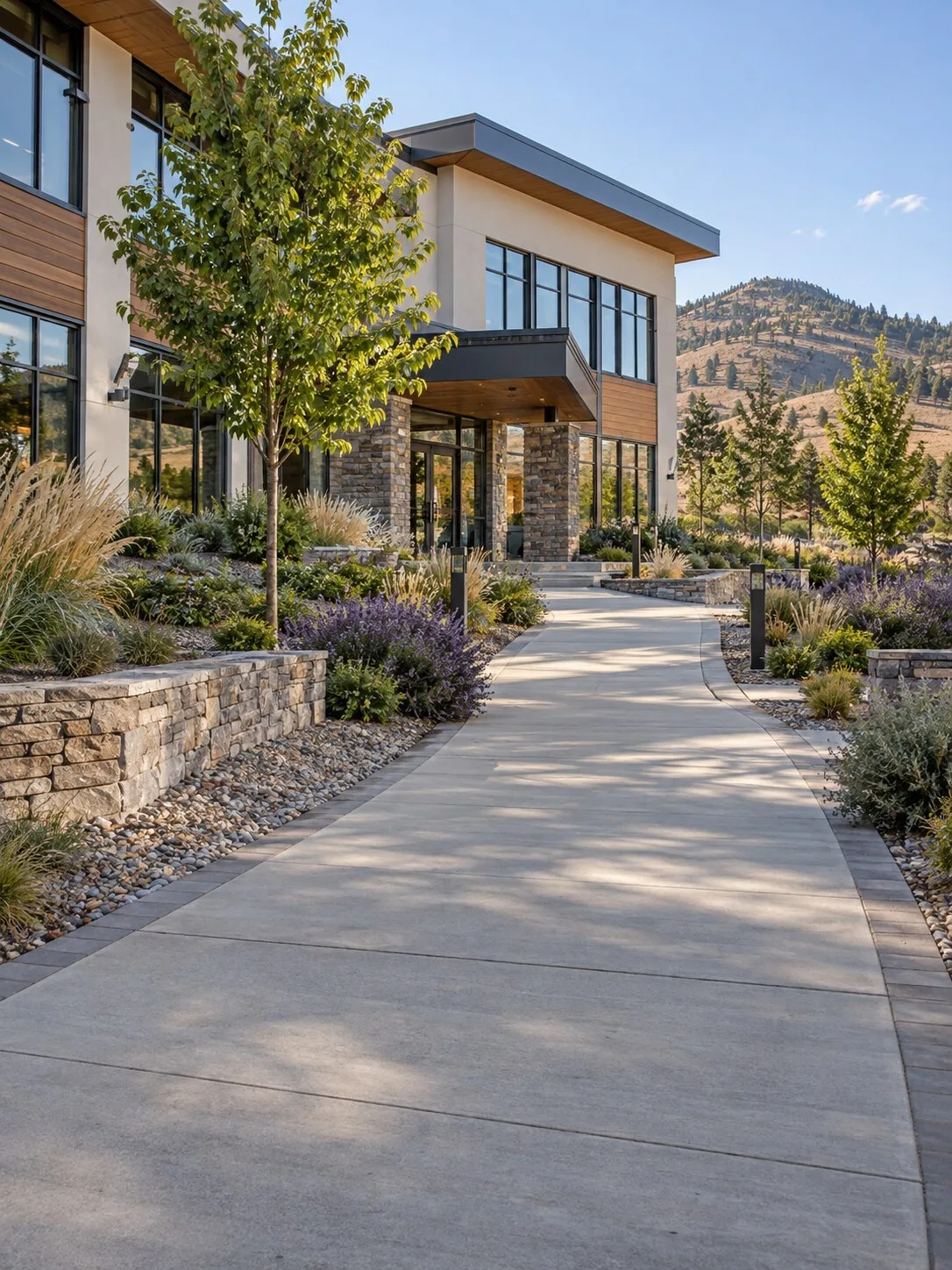
Based in Kelowna, Central City Landscapes provides landscape drainage, grading and drainage excavation for residential and commercial properties throughout the Okanagan.
Service Locations
Landscape Drainage Questions
Got more questions?
Can't find the answer you're looking for? Our friendly team is ready to help you with any inquiries you might have.
Build a Property That Handles Water Better
Tell us what you're seeing on your property. We'll assess the drainage, grading and surrounding landscape to determine the right approach for managing water where it matters.